PRINCE MOM: A Designer's Review for Real Embroidery Projects
As a designer who spends more time staring at stitch maps than most people spend watching television, I approach every new machine embroidery design with a mix of curiosity and skepticism. We have all been there: you buy a cute graphic online, load it onto your machine, and halfway through the run, you realize the density is too high for the fabric or the details are too small to stitch out cleanly. That is why I took a close look at the PRINCE MOM design file before committing it to a client project. This isn't just about whether the image looks good on a screen; it is about how it translates into thread, stabilizer, and fabric to create a viable handmade product.
First Impressions and Visual Personality
When I first opened the files included in the PRINCE MOM download, my immediate thought was about the balance between whimsy and clarity. The theme suggests a playful, perhaps royal or celebratory mood, likely targeting parents, nursery decor, or family-themed apparel. In the world of Crafts and Graphics, a design needs to have a strong silhouette to work well in embroidery. Unlike print, where you can rely on tiny lines and subtle gradients, embroidery requires bold shapes and clear separation between elements.
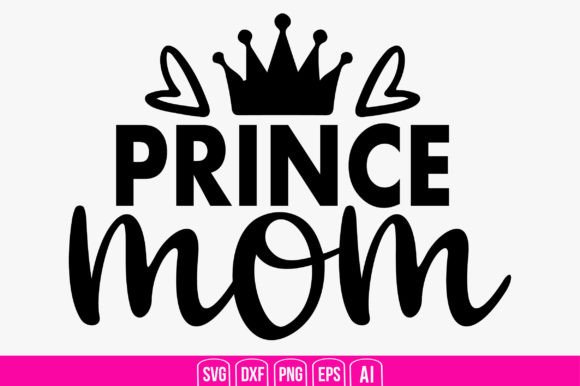
The layout of PRINCE MOM appears to have a solid visual personality. It feels like something that would sit comfortably on a child's sweatshirt or a boutique tote bag. However, as a reviewer, I have to ask: does the "Prince" element rely on tiny crowns or intricate scepters? If so, those are the areas where a standard fill stitch might struggle on textured fabrics. The design seems best suited for projects where the focal point is clear and the lettering (if any) is large enough to maintain readability after stitching.
Real-World Application: The Boutique Sweatshirt Test
To truly evaluate this digital embroidery file, I imagined a specific real-life scenario: a custom order for a local boutique needing a set of matching family sweatshirt embroidery sets for a photo shoot. The client wants "Prince Mom" on the mother's garment. This is a high-stakes environment; the fabric is likely a cotton-poly blend fleece, which can be tricky. It has stretch, and it has nap.
If I were running PRINCE MOM on this fabric, my first concern would be registration. Does the design have enough space between elements to prevent the stitches from pulling the fabric and causing puckering? For a custom apparel item like this, the design needs to breathe. If PRINCE MOM is a dense block of color, it might require a heavy-duty cut-away stabilizer to keep the garment from warping. On the other hand, if the design utilizes open running stitch details or lighter fill patterns, it could drape much better, making the finished product feel premium rather than stiff.
For an Etsy seller or small shop owner, the reaction of the end customer is everything. A design like PRINCE MOM works because it taps into a specific emotional niche. It is personal. When a customer sees this stitched onto a high-quality hoodie, they aren't just buying a shirt; they are buying an identity. The clarity of the stitches directly impacts that perceived value. Blurry edges or thread breaks in the fine details of a crown or text would immediately lower the trust level of the buyer.
Navigating Fabric Challenges and Hoop Sizes
One of the critical aspects of using any new graphic is understanding its limitations. While PRINCE MOM comes in versatile formats like SVG, PNG, EPS, DXF, and JPEG, making it compatible with Cricut and various digitizing software, the physical execution depends entirely on your setup. You must confirm the hoop size required before you start. If the design is large, it might not fit on a standard cap frame or a small pocket hoop.
I would advise caution when placing this design on curved surfaces like hats. The geometry of a cap panel distorts images differently than flat fabric. If PRINCE MOM has wide horizontal elements, they might look stretched or skewed once stitched onto a structured cap. Similarly, on dark fabrics, you need to ensure the thread colors selected provide enough contrast. A light-colored design on black fabric often requires an underlay stitch to prevent the background from showing through the gaps in the top stitching. Without checking the stitch map or doing a test run, you risk a patchy, unprofessional look.
Textured fabrics like waffle knit or heavy linen also pose a challenge. If the design relies on very fine satin stitch columns for outlines, the texture of the fabric can cause the needle to skip or the thread to sink. For these materials, a slightly larger version of PRINCE MOM or a design variation with bolder outlines would be safer. Always test on scrap fabric first. It sounds basic, but it saves hours of unpicking and ruined inventory.
Commercial Viability and Brand Consistency
For those running a craft business, consistency is key. If you plan to use PRINCE MOM across a range of products—say, a tote bag design, a baby embroidery onesie, and a kitchen towel—the scaling must remain consistent in quality. A design that looks crisp at 4 inches might lose definition when shrunk to 2 inches for a sock or a small patch. Before listing this as a small shop product, check the smallest detail in the design. Can it still be distinguished at half size?
Furthermore, consider the licensing. Since this is a digital download containing vector and raster files, it is essential to verify the terms for commercial use. Are you allowed to sell the physical embroidered items? Can you use the graphics in printable mockup previews for your online store? These distinctions protect your business from legal issues down the line. Assuming the license permits it, PRINCE MOM has strong potential as a commercial embroidery asset because of its relatable theme.
Final Verdict for Makers and Designers
In conclusion, PRINCE MOM strikes me as a versatile asset for the right project. It fits naturally into the categories of nursery decor, family gifts, and boutique branding. Its success, however, hinges on the executor's attention to detail. It is not a "load and go" situation for complex fabrics. You need to respect the stitch density, choose the right stabilizer, and understand the limitations of your machine.
If you are an embroidery project enthusiast looking to expand your portfolio with something that feels personal and marketable, this design is worth considering. Just remember to treat it with the technical respect it deserves. Test your tension, check your needle size, and visualize the final personalized gift in the hands of the recipient. When done correctly, a design like this transforms a simple piece of cloth into a cherished keepsake. That is the true power of combining good Graphics with skilled craftsmanship.
- Check File Formats: Ensure your software can handle the provided SVG, EPS, or DXF files for proper resizing without pixelation.
- Fabric Selection: Avoid highly stretchy or overly textured fabrics unless you have experience compensating for distortion.
- Stabilizer Choice: Match the stabilizer weight to the fabric weight; heavier designs need stronger support.
- Thread Contrast: Test your color palette against the fabric background to ensure the design pops.
- Licensing: Always read the specific terms regarding commercial sales of finished goods versus digital redistribution.
By approaching PRINCE MOM with a designer's eye and a technician's precision, you can create stunning holiday embroidery, wedding gifts, or everyday wear that stands out in a crowded market. It is a solid choice for makers who value quality and want to deliver a professional finished product every time.